
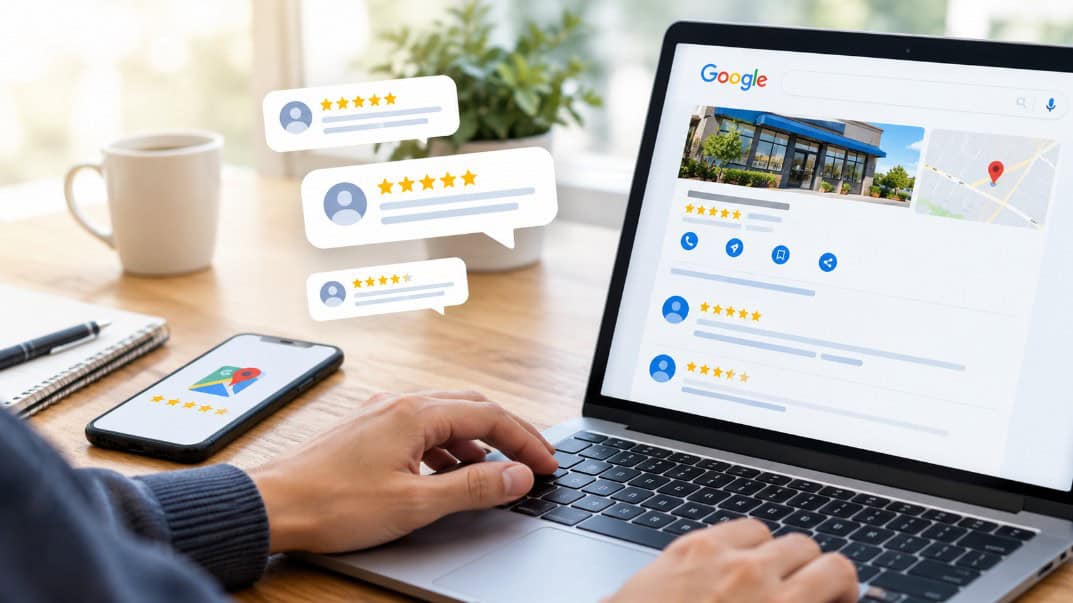
How Customer Reviews Influence Local SEO And Google Rankings
When people need a nearby business, customer reviews often help them decide where to click, visit, or make contact. A business with helpful, recent, and genuine reviews can make a stronger first impression than one with little or no customer feedback.
Reviews also play an important role in how a business appears in local search. They can provide search engines with additional signals about customer experiences, business relevance, and overall trust. This does not mean reviews alone determine where a business appears, but they can form an important part of a broader local search strategy.
Maxify Marketing helps businesses build stronger digital visibility by connecting reputation, content, search strategy, and customer experience. Understanding how reviews work can help businesses make better decisions about collecting feedback and responding to customers.
Why Customer Reviews Matter For Local Search
Customer reviews do more than show whether people liked a product or service. They give potential customers a quick way to understand what other people experienced with a business.
For search engines, reviews can also provide useful information connected to a local business. Review content may mention services, locations, products, and customer experiences, creating additional context around the business.
A strong review presence can support several areas of your online presence.
- Builds trust: Genuine feedback can make an unfamiliar business feel more credible.
- Supports visibility: Reviews can contribute to the overall signals associated with local search.
- Improves decision-making: Customers can compare businesses more confidently when useful reviews are available.
- Creates fresh content: New reviews continually add customer-generated information to a business profile.
- Strengthens credibility: Consistent positive experiences can reinforce a business’s reputation.
Reviews should therefore be viewed as part of a larger digital presence rather than as a shortcut to better rankings.
How Reviews Can Support Google Visibility
Google uses many different signals to determine which businesses are relevant for local searches. Reviews are one part of this broader system, alongside factors such as relevance, distance, prominence, business information, and the overall quality of the online presence.
The content of reviews can also provide useful context. Customers may naturally mention specific services, products, neighborhoods, or experiences when describing what happened.
This can help search engines better understand the relationship between a business and the services it provides.
- Review quantity: A healthy volume of genuine reviews can provide more customer feedback for users to evaluate.
- Review quality: Detailed experiences can provide more useful information than extremely short comments.
- Review frequency: Recent feedback can show that customers continue to interact with the business.
- Review relevance: Reviews that naturally discuss actual services can add useful context.
- Business responses: Thoughtful responses show that the business actively engages with customers.
It is important not to treat any individual review factor as a guaranteed ranking trigger. Local visibility depends on many signals working together.
The Role Of Online Reputation In Customer Decisions
A business can have a strong website and still lose potential customers if its online reputation creates doubts. People often check reviews before deciding whether to call, visit, request information, or make a purchase.
This is particularly important for local businesses because customers may be comparing several nearby options at the same time. A few minutes of research can influence which business receives the next inquiry.
This is why online reputation services can be useful as part of a wider digital marketing strategy. Reputation management can help businesses monitor feedback, respond appropriately, identify recurring customer concerns, and encourage genuine customers to share their experiences.
A healthy reputation strategy should focus on the actual customer experience rather than simply trying to collect as many reviews as possible.
- Monitor feedback: Keep track of what customers are saying across important platforms.
- Identify patterns: Look for recurring praise or complaints that reveal customer expectations.
- Respond professionally: Address both positive and negative feedback with a helpful tone.
- Encourage genuine feedback: Make it easy for real customers to share their experiences.
- Learn from criticism: Use recurring complaints to identify opportunities for improvement.
The strongest reputation is built through consistent service, not through review requests alone.
Why Recent Reviews Can Be Valuable
A review from several years ago may still provide useful information, but recent reviews can give potential customers a better idea of the current customer experience.
Businesses change over time. Services may expand, staff may change, processes can improve, and customer expectations can evolve. Recent feedback gives people a clearer picture of what they might experience today.
Fresh reviews can also make a business profile appear active and regularly used by customers.
- Shows ongoing activity: Recent feedback indicates continued customer interaction.
- Provides current insight: New reviews can reflect the present customer experience.
- Builds confidence: Regular feedback can make a business appear more established.
- Highlights improvements: New reviews can show how the customer experience has evolved.
- Keeps information relevant: Current customer experiences are generally more useful to people making decisions today.
The goal should not be to generate reviews at an unnatural pace. Instead, businesses should create a simple process for asking genuine customers for feedback after meaningful interactions.
How Google Business Profile Reviews Fit Into Local SEO
A business profile is often one of the first places people see when searching for a local service. Reviews displayed there can influence both visibility and customer behavior.
Your Google Business Profile should provide accurate information that matches the rest of your online presence. This includes your business name, category, contact details, website, services, hours, photos, and other relevant information.
Reviews become more useful when they sit within a complete and well-maintained business profile.
- Keep business information accurate: Make sure customers can find correct details about your business.
- Select relevant categories: Use categories that accurately describe what your business provides.
- Add useful photos: Show customers what they can expect before they contact you.
- Maintain service information: Keep important offerings clear and current.
- Respond to reviews: Show customers that their feedback receives attention.
A complete profile combined with genuine customer feedback can create a stronger experience for both searchers and search engines.
Reviews And Local Ranking Signals
Local rankings are influenced by multiple signals, so it is important to understand where reviews fit into the bigger picture. Search engines aim to provide useful results that match what people are searching for and where they are searching from.
Reviews can contribute to the overall prominence and reputation of a business, but they do not work independently.
Other areas should be managed alongside your review strategy.
- Website relevance: Make sure your website clearly explains your services and locations.
- Business information: Keep important contact and location details consistent.
- Local content: Create useful information that answers questions from your target audience.
- Links and mentions: Build credible connections that support your wider online presence.
- Customer experience: Deliver the quality of service that naturally encourages positive feedback.
This broader approach is more sustainable than focusing only on review numbers.
How Businesses Should Respond To Negative Reviews
Negative reviews can feel uncomfortable, but deleting or ignoring every criticism is not always the best approach. A thoughtful response can demonstrate professionalism and give the business an opportunity to address a genuine concern.
The goal is not to win an argument publicly. The goal is to show that the business takes customer concerns seriously.
A good response should remain calm, factual, and respectful.
- Acknowledge the concern: Show that you have read and understood the customer’s complaint.
- Avoid personal arguments: Keep the response focused on resolving the issue.
- Move sensitive details privately: Do not share confidential customer information publicly.
- Offer a reasonable next step: Provide a clear way for the customer to continue the conversation.
- Learn from repeated complaints: Several similar reviews may reveal a real business issue.
Not every negative review reflects a business failure. What matters is how the business responds and whether genuine problems are addressed.
Turning Reviews Into Useful Customer Insights
Reviews can also provide valuable information for improving your website, services, and marketing. Customers often use language that businesses would not think to include in their own content.
For example, customers may describe a service using specific phrases, explain why they chose the business, or mention a problem they wanted solved. These insights can help businesses understand what matters most to their audience.
Review feedback can therefore support more than reputation management.
- Find common questions: Customer comments can reveal topics that deserve clearer website content.
- Identify customer priorities: Repeated themes can show what buyers value most.
- Improve service pages: Customer language can help make service descriptions more relevant.
- Strengthen messaging: Real customer experiences can reveal useful value propositions.
- Spot content opportunities: Recurring questions can become blogs, guides, or FAQs.
Used responsibly, customer feedback can help businesses make their entire digital presence more customer-focused.
Building Stronger Local Search Rankings
Reviews are only one part of a successful local search strategy. Businesses also need useful websites, accurate business information, relevant content, technical health, and a strong overall customer experience.
When these areas work together, reviews can reinforce the reputation created by the rest of your online presence.
A practical approach to improving local search rankings should include several connected activities.
- Optimize important pages: Make your main services and locations easy to understand.
- Maintain business profiles: Keep local information accurate across important platforms.
- Publish useful content: Answer questions that potential customers are actually asking.
- Encourage real reviews: Give satisfied customers a simple way to provide honest feedback.
- Monitor performance: Track changes in visibility, website activity, calls, and customer actions.
For a broader look at how businesses can measure visibility in modern search environments, explore this guide on AI brand visibility and measuring your presence in AI search results. A connected strategy gives reviews a stronger foundation and prevents businesses from depending on one ranking signal.
How A Search Strategy Can Improve Review Performance
Reviews and search optimization can support each other when they are planned around real customer needs. A business can use customer feedback to understand what people value, then use those insights to improve website content and the overall customer journey.
Working with a search optimisation agency can help businesses connect these different activities into a more organized strategy. The focus should remain on making the business easier to find and easier to trust.
This can involve several practical steps.
- Study customer language: Identify common phrases customers use when describing your services.
- Improve website content: Use customer insights to make important pages clearer and more useful.
- Strengthen local profiles: Keep business information complete and accurate.
- Create helpful content: Address questions that appear regularly in customer conversations.
- Measure meaningful results: Look beyond rankings and consider calls, inquiries, visits, and conversions.
The aim is to create a consistent experience from the first search through to the final customer interaction.
Common Review Mistakes Businesses Should Avoid
A review strategy can lose its value when businesses focus too heavily on numbers instead of customer relationships. Trying to manipulate feedback can also damage trust and create problems for the business.
A better approach is to build reviews naturally through good service and straightforward communication.
Avoid these common mistakes when managing customer feedback.
- Buying reviews: Paid or fake reviews can damage credibility and violate platform policies.
- Writing fake feedback: Reviews should come from genuine customer experiences.
- Ignoring criticism: Consistently avoiding legitimate complaints can make a business appear unresponsive.
- Using identical responses: Repeating the same reply can feel automated and impersonal.
- Pressuring customers: Customers should be able to provide honest feedback without being pushed toward a specific rating.
- Focusing only on ratings: A five-star average is useful, but detailed customer experiences can provide greater insight.
Authenticity should always be the foundation of a review strategy.
Turn Customer Feedback Into Local Growth
Customer reviews can influence how people discover, evaluate, and trust a local business. While reviews are not the only factor behind local visibility, a steady presence of genuine and useful feedback can support a stronger online reputation and complement other search efforts.
Maxify Marketing can help businesses connect customer feedback with a broader digital strategy that supports visibility, credibility, and customer engagement.
The most effective approach starts with real customer experiences. Deliver quality service, make it easy for customers to share honest feedback, respond professionally, and use what you learn to improve the business and its online presence.
Contact us today to explore how a stronger review strategy and broader local search approach can help your business build greater visibility and trust with customers.